




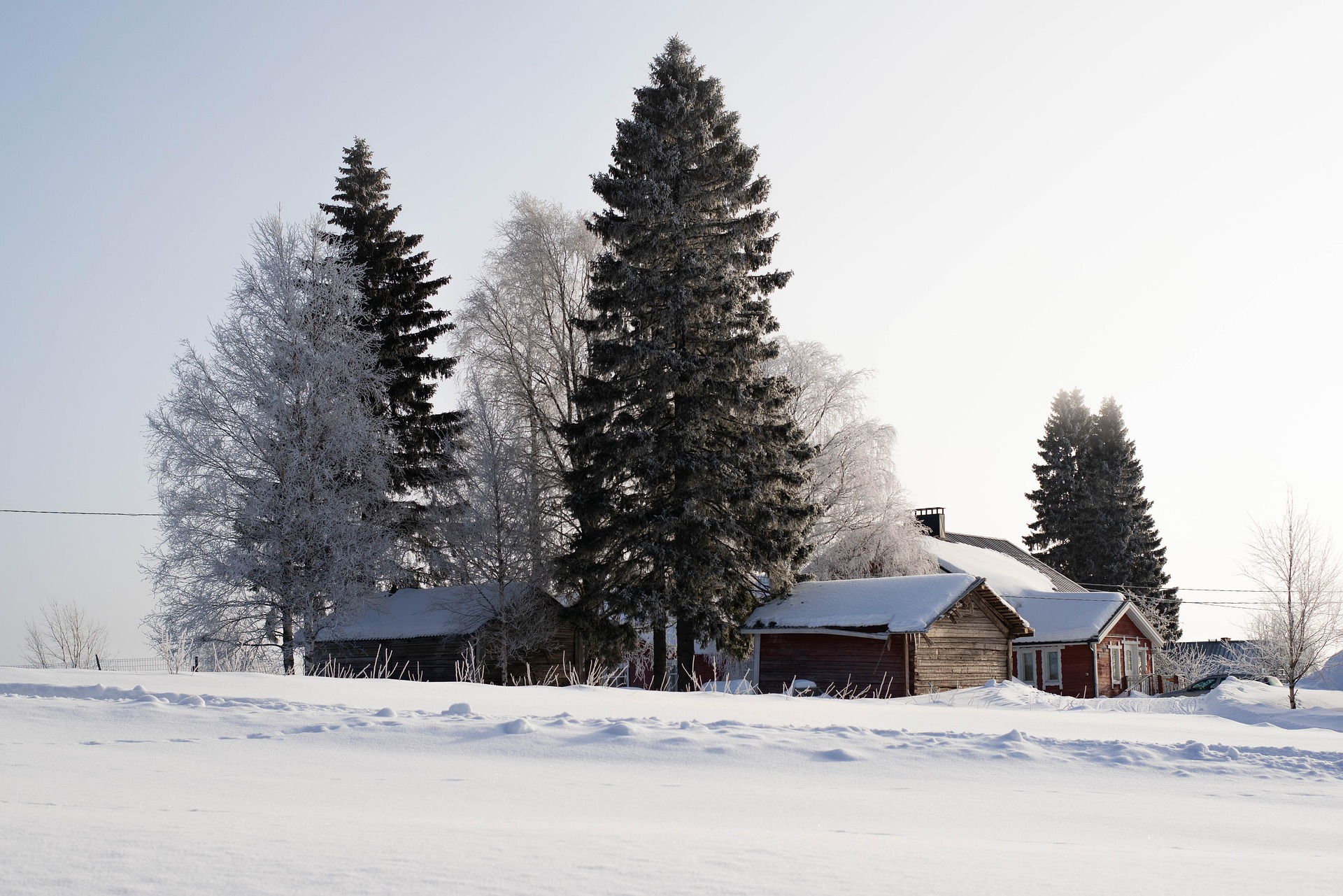


For several consecutive years, Finland has ranked as the happiest country on Earth.
and a culture that values simplicity over excess.
Finland and the World Happiness Report
The World Happiness Report is published annually by the United Nations. The UN is an international organization (un.org) that works to promote peace, development, and human rights worldwide.
The report evaluates countries based on six key indicators:
- Income per capita
- Social support
- Healthy life expectancy
- Freedom to make life choices
- Generosity
- Perceptions of corruption
Finland consistently ranks high across all these categories, especially in social trust,
government transparency, and personal freedom.
“Happiness is not about chasing pleasure, but about having trust in society and confidence in the future.” — World Happiness Report
Strong Social Trust and Low Corruption
One of the most important reasons Finland is the happiest nation is trust. Finnish citizens trust their government, institutions, police, and even strangers. This level of trust reduces stress, fear, and uncertainty in daily life.
Transparency International, a global anti-corruption watchdog (transparency.org), regularly ranks Finland as one of the least corrupt countries in the world.
When citizens believe that rules apply equally to everyone, they feel safer, more respected, and more optimistic about the future.
World-Class Education System
Finland’s education system is often described as one of the best globally. According to the Organisation for Economic Co-operation and Development (oecd.org), Finnish students perform exceptionally well despite having shorter school days and less homework.
Education in Finland is:
- Free at all levels
- Focused on creativity, not competition
- Designed to reduce stress on children
Teachers are highly respected and must hold a master’s degree. This emphasis on quality education creates confident, skilled, and emotionally balanced citizens.
“In Finland, education is not a race — it’s a journey.” — Finnish National Board of Education
Work-Life Balance and Employee Rights
Unlike many high-income countries, Finland does not glorify overwork. Employees enjoy reasonable working hours, paid parental leave, and generous vacation policies.
According to the International Labour Organization (ilo.org), Finland ranks among the top countries for labor rights and worker protection.
This balance allows people to spend time with family, enjoy hobbies, and maintain good mental health —all essential ingredients for happiness.
Universal Healthcare and Social Safety Net
Finland provides universal healthcare to all residents. Medical services are affordable, accessible, and high in quality. The World Health Organization (who.int) recognizes Finland as a model for equitable healthcare systems.
In addition, Finland has a strong social safety net that includes:
- Unemployment benefits
- Housing assistance
- Disability support
- Pension security
Knowing that the state will support them during difficult times gives people peace of mind and reduces anxiety.
Connection With Nature
Nature plays a crucial role in Finnish happiness. Over 70% of Finland is covered by forests, and lakes are accessible to everyone due to the “Everyman’s Right” law.
This law allows anyone to walk, camp, or pick berries in nature — even on privately owned land —as long as they respect the environment.
Numerous studies, including those by the
World Health Organization, show that regular contact with nature improves mental well-being and reduces depression.
The Finnish Mindset: Contentment Over Competition
Finnish culture values modesty, equality, and realism. People are not pressured to constantly compare themselves with others. Instead, happiness comes from stability, self-respect, and meaningful relationships.
The Finnish concept of “sisu” — inner strength and resilience —
helps people face challenges calmly rather than emotionally.
“Happiness is having enough, not having more.” — Finnish proverb
Why Finland’s Model Matters to the World
Finland proves that happiness does not depend on extreme wealth, but on fairness, trust, and human-centered policies. As countries struggle with inequality, burnout, and mental health crises, Finland offers a powerful alternative model.
While no system is perfect, Finland’s example shows that investing in people —education, healthcare, social trust —creates long-term happiness and stability.
Sources
- United Nations – un.org
- World Happiness Report – worldhappiness.report
- OECD – oecd.org
- World Health Organization – who.int
- International Labour Organization – ilo.org